
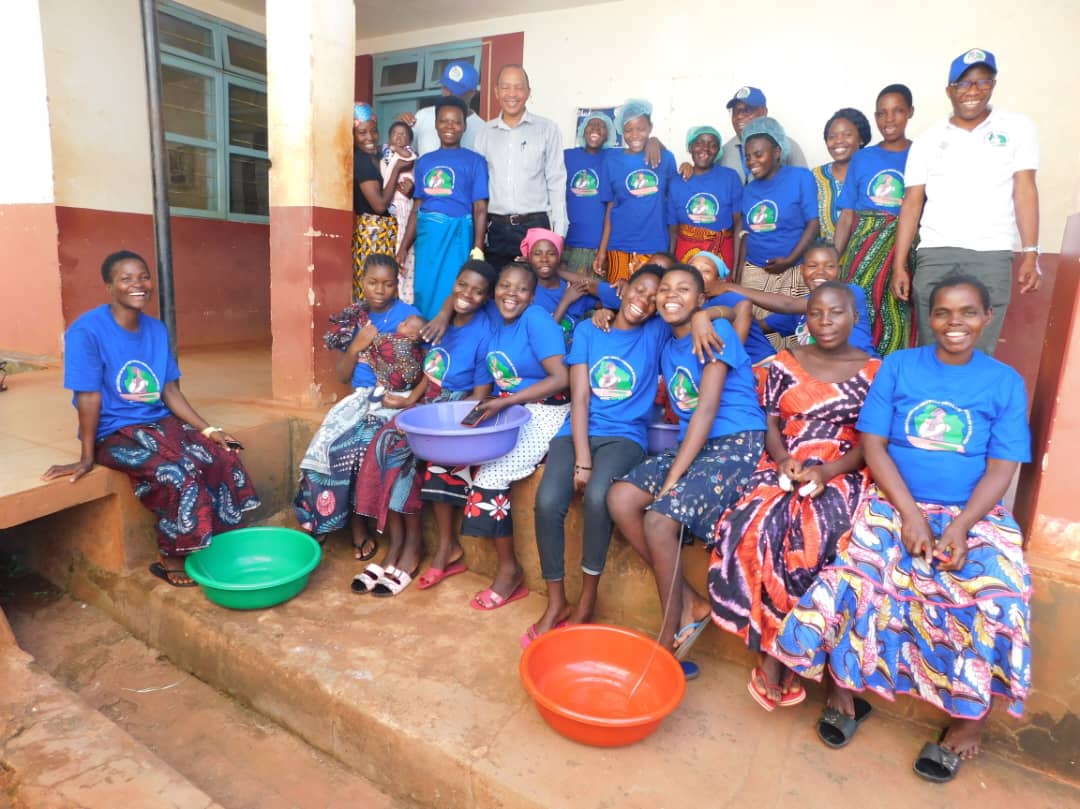
Fistula, particularly obstetric fistula, remains one of the most significant yet under-discussed health issues in many African communities. This condition, which involves the abnormal connection between the birth canal and either the bladder or rectum, primarily affects women and is often a consequence of prolonged or obstructed labor. Although the condition is preventable and treatable, its prevalence remains high in many parts of Africa, especially in rural and underdeveloped areas where access to proper healthcare is limited. This article explores the causes, consequences, and potential solutions to the spread of fistula in African communities.
Causes of Fistula in African Communities
Several factors contribute to the high prevalence of fistula in many African countries. The primary cause is obstructed labor, which occurs when a baby is too large to pass through the mother’s birth canal or when the mother’s pelvis is too narrow. When this happens, labor can last for several days, leading to significant pressure on the walls of the vagina, bladder, or rectum. This pressure causes the tissues to rupture, resulting in a fistula. Several factors increase the risk of obstructed labor and the subsequent development of fistula:
1. Early Childbearing and Child Marriage
In many African communities, early marriage and childbearing are prevalent due to cultural practices and economic factors. A young girl’s body may not be physically developed enough to handle the rigors of childbirth, increasing the likelihood of obstructed labor and fistula. In many cases, girls as young as 14 or 15 are married off and have children, leading to complications in pregnancy and childbirth.
2. Lack of Access to Skilled Birth Attendants
One of the major causes of fistula in African communities is the lack of access to skilled birth attendants, including trained midwives and obstetricians. In rural areas, where healthcare facilities are scarce, many women give birth without professional help. The absence of skilled assistance increases the risk of complications during labor, such as obstructed labor, leading to fistula. Even in urban centers, many women still struggle to access quality healthcare due to cost, transportation challenges, and a lack of adequate infrastructure.
3. Poor Healthcare Infrastructure
In many African countries, healthcare systems are under-resourced, with hospitals and clinics lacking the necessary equipment and facilities to deal with complications during childbirth. Surgical interventions, such as cesarean sections, are often unavailable or unaffordable, and many women have to endure long hours of labor without access to medical care. This lack of infrastructure contributes to the spread of obstetric fistula.
4. Poverty and Malnutrition
Poverty and malnutrition also play a significant role in the spread of fistula. In impoverished communities, women may not receive adequate nutrition before or during pregnancy, which can lead to weak pelvic muscles and poor health during childbirth. Malnutrition also compromises the ability of the body to heal after injuries, such as those caused by obstructed labor, making fistula more likely.
Consequences of Fistula in African Communities
The effects of fistula extend far beyond the physical health of the affected individuals. The consequences of untreated or poorly managed fistula can be devastating for both the individual and the community.
1. Physical Health Complications
Untreated fistula often leads to chronic incontinence, where the woman is unable to control urination or defecation, leading to a constant flow of urine or feces. This can cause severe infections, including urinary tract infections (UTIs), kidney damage, and other complications. Over time, the persistent leakage can lead to the formation of sores and ulcers, which further damage the tissues and increase the risk of infection.
2. Emotional and Psychological Impact
The emotional toll of fistula on women in African communities is profound. The condition often leads to stigmatization, as many people view the condition as shameful. Affected women may be ostracized by their families and communities, leading to social isolation. The psychological impact is severe, with many women suffering from depression, anxiety, and post-traumatic stress. The emotional burden of living with a fistula, coupled with the fear of never being able to have a normal life again, can be overwhelming.
3. Economic and Social Consequences
Women with fistula are often unable to participate in the workforce or care for their families, leading to economic hardship. In rural African communities, where women are central to household labor and agriculture, the inability to work can devastate family income and well-being. In addition, women with fistula are often unable to conceive again, which has a significant social impact, as childbearing is often highly valued in many African cultures.
4. Strain on Healthcare Systems
The spread of fistula also places a significant strain on healthcare systems in African countries. Many of the women affected by fistula require extensive medical treatment, including surgery and post-operative care. However, many healthcare systems are ill-equipped to handle such cases, and many women cannot afford the cost of treatment. This adds to the already heavy burden on health services, particularly in regions with limited resources.
Solutions to Combat the Spread of Fistula in Africa
Addressing the spread of fistula in African communities requires a multi-faceted approach, involving improvements in healthcare access, education, and community engagement.
1. Strengthening Healthcare Systems
Improving healthcare infrastructure is one of the most critical steps in reducing the prevalence of fistula. Governments and international organizations must invest in building and equipping healthcare facilities, particularly in rural areas. Training more healthcare professionals, including skilled birth attendants, and ensuring they have the necessary resources to handle complications during childbirth, is essential to preventing fistula.
2. Promoting Maternal Health Education
Education plays a crucial role in preventing fistula. Promoting awareness about safe childbirth practices and the importance of accessing skilled care during pregnancy and delivery can help reduce the risk of fistula. Educational campaigns should also focus on the dangers of early marriage and early childbearing, emphasizing the importance of delaying childbirth until women are physically mature enough to handle the process.
3. Increasing Access to Family Planning
Increasing access to family planning services can help reduce the incidence of early pregnancies and prevent child marriage. Family planning programs should be made widely available, particularly in rural areas, to allow women to make informed decisions about when and how many children to have.
4. Fistula Treatment and Repair Programs
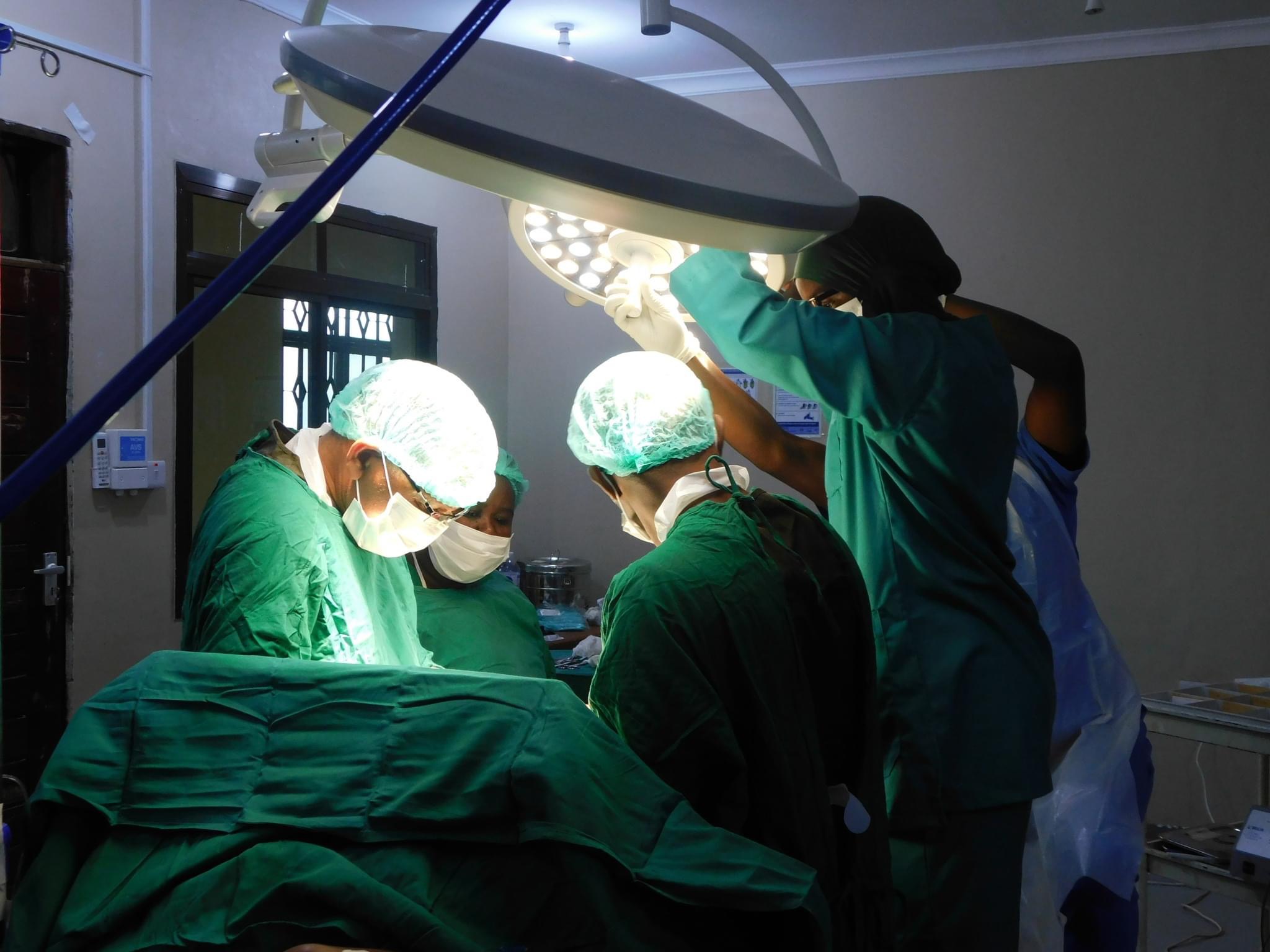
There are numerous success stories of fistula repair programs in African countries. Specialized treatment centers should be established to offer affordable and accessible fistula repair surgeries. Additionally, follow-up care should be provided to ensure that women receive the necessary support during their recovery and reintegration into society.
5. Community Support and Empowerment
Finally, creating supportive environments for women affected by fistula is essential. Community-based programs that reduce stigma and offer social support can help women regain their confidence and reintegrate into society. Support groups, counseling services, and rehabilitation programs can help women heal emotionally and psychologically.
Conclusion
The spread of fistula in African communities is a complex issue driven by a variety of social, cultural, and economic factors. However, with concerted efforts from governments, NGOs, healthcare providers, and local communities, the incidence of fistula can be reduced. By improving access to skilled care, promoting maternal health education, and offering treatment and support to affected women, we can work towards a future where fistula is no longer a widespread health crisis in Africa.