

Obstetric fistula is a devastating condition that affects millions of women worldwide, yet it remains underreported and poorly understood in many parts of the world. It primarily results from prolonged and obstructed labor, and it can lead to lifelong physical and psychological consequences for those affected. However, with early detection, prompt medical intervention, and improved access to care, obstetric fistula is a preventable and treatable condition.
In this article, we will explore what obstetric fistula is, its causes, the impact it has on women’s lives, and how it can be cured when detected early.
What is Obstetric Fistula?
Obstetric fistula is a medical condition that occurs when there is a hole (fistula) between a woman’s birth canal and her bladder or rectum, often caused by prolonged labor that is not managed appropriately. This hole leads to continuous leakage of urine, feces, or both, and can be accompanied by infections, infertility, and social stigmatization. In severe cases, the woman may also suffer from constant pain and even nerve damage.
It most commonly occurs in areas with limited access to quality maternal healthcare, where women may have no choice but to undergo prolonged, obstructed labor without medical intervention, such as a cesarean section or the use of a vacuum extractor.

Causes of Obstetric Fistula
The main cause of obstetric fistula is obstructed labor, which happens when a baby’s head is too large for the mother’s pelvis, or when the baby is in an abnormal position. If the labor is prolonged without medical intervention, the pressure of the baby’s head on the mother’s pelvic tissues can cause them to tear, resulting in the formation of a fistula.
Some other contributing factors include:
- Teenage pregnancy: Girls who give birth before their bodies are fully developed are at higher risk of obstructed labor.
- Malnutrition: Poor nutrition can lead to a woman’s pelvis being too narrow, increasing the risk of obstructed labor.
- Lack of access to quality healthcare: In areas where healthcare infrastructure is poor, women may not have access to skilled birth attendants, emergency cesarean sections, or other life-saving interventions.
- Early or forced marriages: This may lead to early pregnancies and increased risk of complications during childbirth.
The Impact of Obstetric Fistula
The effects of obstetric fistula extend far beyond the physical suffering of the woman. Some of the significant consequences include:
- Physical Health Problems: Women with obstetric fistula often experience chronic pain, incontinence (leakage of urine or feces), and recurrent infections due to constant exposure to urine or feces. Additionally, fistula can cause infertility, as the condition may damage the reproductive organs.
- Psychological and Emotional Toll: The social stigma surrounding obstetric fistula often leads to feelings of shame, isolation, and depression. Women with the condition may be ostracized by their communities, and many struggle with mental health issues such as anxiety and depression due to their physical and social challenges.
- Economic and Social Consequences: Women with obstetric fistula may face difficulties returning to work or participating in normal social activities, which can lead to poverty and further marginalization. Many women are unable to care for their families or continue their livelihoods due to the constant discomfort and health issues caused by the condition.
How Can Obstetric Fistula Be Cured?
The good news is that obstetric fistula is not a permanent condition. When identified and treated early, obstetric fistula is highly curable. Treatment typically involves surgical intervention, where a skilled surgeon repairs the fistula by closing the hole between the birth canal and the bladder or rectum.
- Early Detection: Early diagnosis of obstetric fistula is key to a successful treatment outcome. Women who experience prolonged labor or face complications during childbirth should seek medical care immediately. Regular prenatal check-ups, access to skilled birth attendants, and timely interventions during childbirth can significantly reduce the risk of developing a fistula.
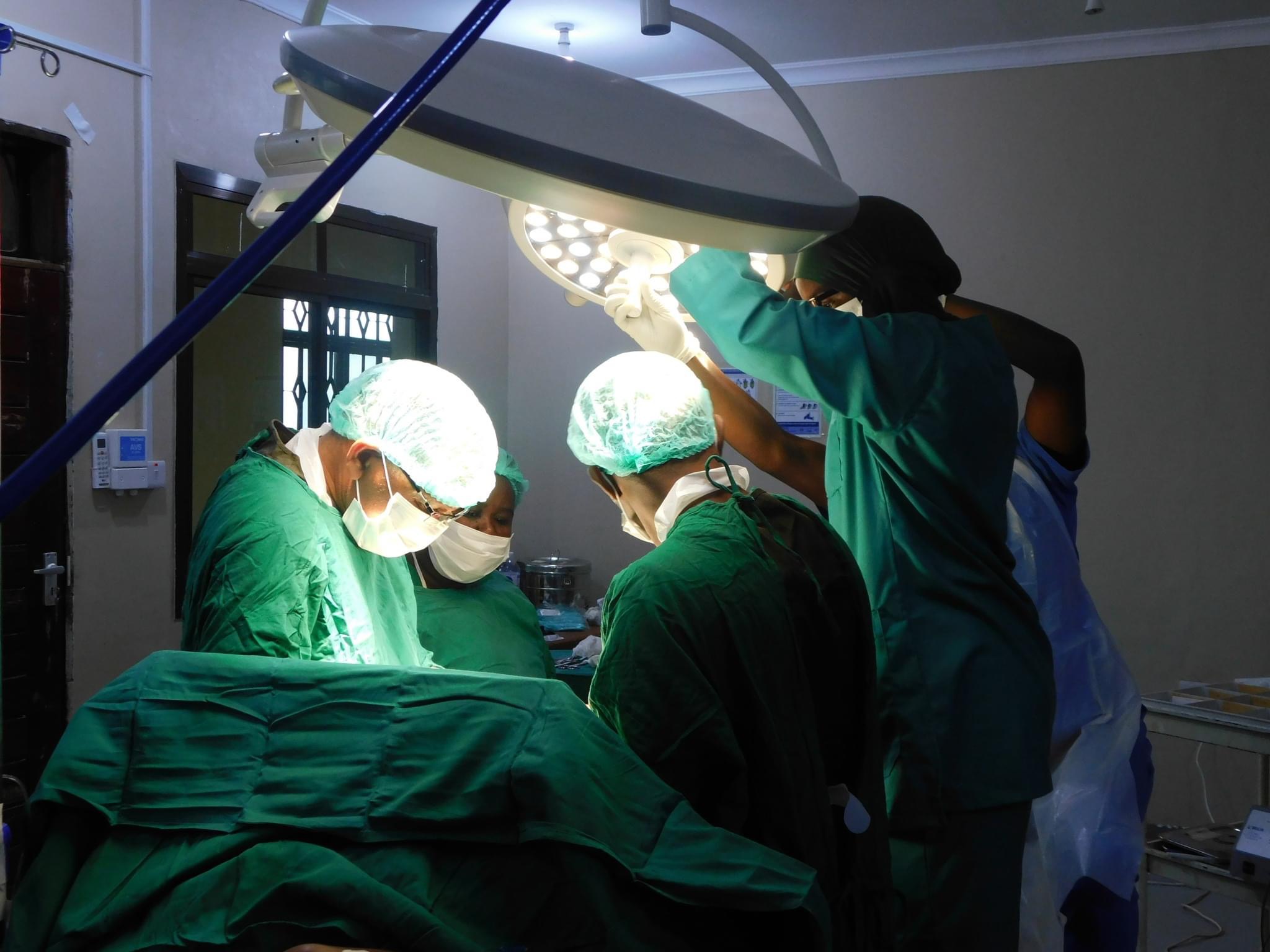
- Surgical Repair: In most cases, surgery is the primary method used to repair obstetric fistula. The procedure involves closing the fistula and repairing any damage to surrounding tissues. This surgery is typically successful, and many women can return to a normal life post-repair. In some cases, further surgeries may be required if the initial repair is unsuccessful or if there is significant scarring.
- Post-Surgery Rehabilitation: After surgical repair, women may require a period of recovery and rehabilitation. This includes support in managing incontinence, ensuring proper wound healing, and accessing emotional and psychological counseling to help women cope with the trauma of fistula.
- Preventative Measures: Prevention is always better than cure. Providing women with access to comprehensive maternal healthcare, skilled birth attendants, emergency obstetric care, and family planning services can drastically reduce the incidence of obstetric fistula. Additionally, improving education and raising awareness in communities can help prevent early marriages and teenage pregnancies, which contribute to the problem.
Conclusion
Obstetric fistula is a tragic and preventable condition that continues to affect women in parts of the world with limited access to maternal healthcare. While the consequences can be devastating, early detection and timely surgical intervention can cure the condition, allowing women to regain their dignity and quality of life. By working together to raise awareness, improve maternal healthcare, and support affected women, we can help reduce the incidence of obstetric fistula and give women the chance to live healthy, fulfilling lives.
Let’s ensure that every woman has access to the care she needs, when she needs it.